
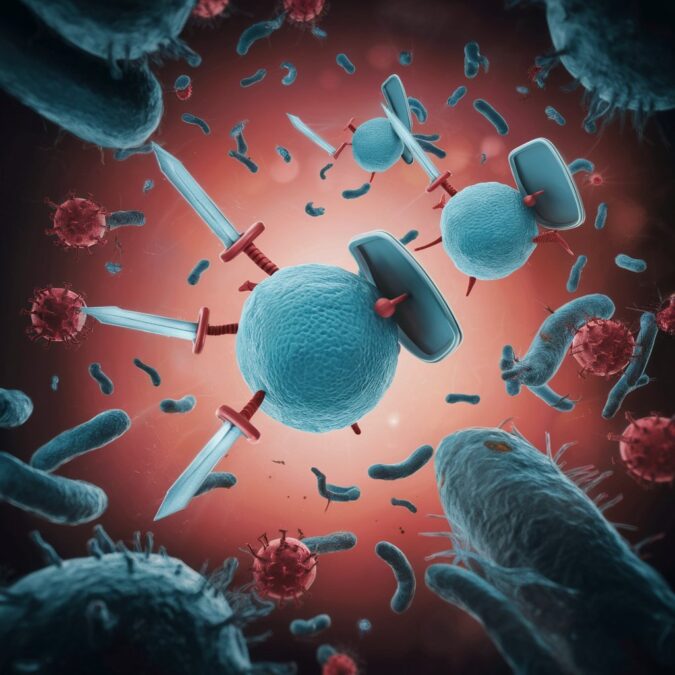

The human immune system is a complex network of cells, tissues, and organs that work together to protect the body from harmful pathogens. Among the most vital components of this defense system are neutrophils, a type of white blood cell that plays a central role in the body’s innate immunity. Neutrophils are often referred to as the body’s first line of defense because they are the first immune cells to respond to infections, particularly those caused by bacteria and fungi.
Produced in the bone marrow, neutrophils circulate in the bloodstream and migrate rapidly to sites of infection or inflammation. Their primary function is phagocytosis, a process in which they engulf and destroy invading microorganisms. Because of their speed and efficiency, neutrophils are essential for maintaining health and preventing infections from spreading. Understanding neutrophil function, neutrophil count, and related conditions such as neutropenia (low neutrophil count) and neutrophilia (high neutrophil count) is crucial for interpreting blood test results and assessing immune system health.
What Are Neutrophils?
Neutrophils are a type of granulocyte, a category of white blood cells characterized by the presence of granules in their cytoplasm. These granules contain enzymes and antimicrobial proteins that help destroy pathogens. Neutrophils make up approximately 50–70% of all white blood cells (leukocytes) in the bloodstream, making them the most abundant type of immune cell in circulation.
Neutrophils are produced in the bone marrow through a process called hematopoiesis, where stem cells differentiate into mature immune cells. Once released into the bloodstream, neutrophils have a short lifespan—typically around 6 to 8 hours—but their production is continuous to ensure a steady supply. When an infection occurs, chemical signals known as cytokines and chemokines attract neutrophils to the affected area, where they perform their defensive functions.
The Function of Neutrophils in the Immune System
The primary role of neutrophils is to protect the body from infection through phagocytosis and the release of antimicrobial substances. When pathogens such as bacteria enter the body, neutrophils are among the first immune cells to arrive at the site of infection. They recognize foreign invaders through specialized receptors that detect microbial molecules. Once a pathogen is identified, the neutrophil engulfs it into a vesicle called a phagosome, which then fuses with granules containing enzymes and reactive oxygen species that destroy the pathogen.
In addition to phagocytosis, neutrophils release neutrophil extracellular traps (NETs)—web-like structures composed of DNA and antimicrobial proteins that trap and neutralize pathogens outside the cell. This process, known as NETosis, is another mechanism by which neutrophils contribute to innate immunity.
Neutrophils also play a role in signaling other immune cells. By releasing cytokines and chemokines, they help coordinate the broader immune response, recruiting macrophages, lymphocytes, and other white blood cells to the site of infection. This makes neutrophils not only powerful infection-fighting cells but also key regulators of inflammation and immune communication.
Neutrophil Count and Blood Test Interpretation
The neutrophil count is an important part of a complete blood count (CBC) test, which measures the number of different types of blood cells in the body. The absolute neutrophil count (ANC) is a specific measurement that indicates the total number of neutrophils present in a microliter of blood.
A normal absolute neutrophil count typically ranges from 1,500 to 8,000 cells per microliter. However, this range can vary slightly depending on the laboratory and individual factors such as age, health status, and medications. Abnormal neutrophil levels can indicate underlying health conditions or immune system dysfunction.
- Neutropenia (Low Neutrophil Count):
Neutropenia occurs when the neutrophil count falls below 1,500 cells per microliter. This condition can result from bone marrow disorders, chemotherapy, autoimmune diseases, viral infections, or certain medications. Severe neutropenia increases the risk of bacterial and fungal infections because the body’s first line of defense is weakened. - Neutrophilia (High Neutrophil Count):
Neutrophilia refers to an elevated neutrophil count, often above 8,000 cells per microliter. It is commonly seen in response to bacterial infections, inflammation, physical stress, or tissue injury. Chronic neutrophilia may also occur in conditions such as leukemia or other bone marrow disorders.
Monitoring neutrophil levels through regular blood tests helps physicians diagnose infections, evaluate immune function, and assess the effects of treatments such as chemotherapy or immunosuppressive therapy.
Neutrophils and the Innate Immune System
Neutrophils are a cornerstone of the innate immune system, which provides immediate, non-specific defense against pathogens. Unlike the adaptive immune system, which develops targeted responses through antibodies and memory cells, the innate immune system relies on rapid, generalized mechanisms to contain infections.
When the body detects an infection, neutrophils are among the first responders. They migrate from the bloodstream into tissues through a process called chemotaxis, guided by chemical signals released by damaged cells or invading microbes. Once at the infection site, neutrophils act quickly to neutralize pathogens before they can spread.
Their ability to respond rapidly makes neutrophils essential for preventing infections from becoming systemic. However, excessive or prolonged neutrophil activity can also contribute to tissue damage and chronic inflammation, highlighting the importance of balance in immune regulation.
Disorders Related to Neutrophil Function
Abnormalities in neutrophil function or production can lead to a range of medical conditions that affect the body’s ability to fight infections.
- Neutropenia: As mentioned earlier, neutropenia can be caused by bone marrow suppression, autoimmune diseases, or viral infections. Severe cases, known as agranulocytosis, can be life-threatening if not treated promptly.
- Chronic Granulomatous Disease (CGD): This is a rare genetic disorder in which neutrophils are unable to produce reactive oxygen species, impairing their ability to kill certain bacteria and fungi.
- Leukocyte Adhesion Deficiency (LAD): A genetic condition that prevents neutrophils from migrating properly to infection sites, leading to recurrent infections and poor wound healing.
- Neutrophilia: Persistent high neutrophil counts may indicate chronic inflammation, infection, or bone marrow disorders such as chronic myeloid leukemia (CML).
Understanding these conditions is essential for diagnosing immune deficiencies and developing targeted treatments that restore proper neutrophil function and immune balance.
The Role of Bone Marrow in Neutrophil Production
The bone marrow is the primary site of neutrophil production. Stem cells within the marrow differentiate into myeloid progenitor cells, which eventually mature into neutrophils. This process is tightly regulated by growth factors such as granulocyte colony-stimulating factor (G-CSF), which stimulates the production and release of neutrophils into the bloodstream.
When the body experiences infection or inflammation, the bone marrow increases neutrophil production to meet the heightened demand. In cases of bone marrow suppression—due to chemotherapy, radiation, or disease—neutrophil production can decline, leading to neutropenia and increased susceptibility to infection.
Conclusion
Neutrophils are indispensable components of the immune system, serving as the body’s first responders against infection. Their ability to rapidly identify, engulf, and destroy pathogens through phagocytosis makes them essential for maintaining health and preventing disease. Monitoring neutrophil count and understanding conditions such as neutropenia and neutrophilia provide valuable insights into immune function and overall health.
As a key part of innate immunity, neutrophils bridge the gap between immediate defense and the activation of the adaptive immune system, ensuring that the body can respond effectively to microbial threats. Maintaining healthy neutrophil levels through proper nutrition, medical care, and immune support is vital for long-term well-being and resistance to infection.
Frequently Asked Questions (FAQ)
1. What are neutrophils?
Neutrophils are a type of white blood cell that form part of the innate immune system. They are responsible for fighting infections, especially bacterial and fungal infections, through phagocytosis and the release of antimicrobial substances.
2. What is the normal neutrophil count?
The normal absolute neutrophil count (ANC) ranges from 1,500 to 8,000 cells per microliter of blood. Values outside this range may indicate infection, inflammation, or bone marrow disorders.
3. What does a low neutrophil count mean?
A low neutrophil count, known as neutropenia, can result from chemotherapy, viral infections, autoimmune diseases, or bone marrow suppression. It increases the risk of bacterial and fungal infections.
4. What causes a high neutrophil count?
A high neutrophil count, or neutrophilia, is often caused by bacterial infections, inflammation, physical stress, or certain blood disorders such as leukemia.
5. How do neutrophils fight infections?
Neutrophils fight infections through phagocytosis, engulfing and destroying pathogens, and by releasing neutrophil extracellular traps (NETs) that trap and neutralize microbes.
6. Where are neutrophils produced?
Neutrophils are produced in the bone marrow and released into the bloodstream, where they circulate until needed at sites of infection or inflammation.
7. What is the role of neutrophils in the immune system?
Neutrophils are part of the innate immune system and act as the body’s first line of defense. They respond rapidly to infections and help coordinate the broader immune response.
8. Can neutrophil levels be improved?
Yes, neutrophil levels can sometimes be improved through medications such as G-CSF (granulocyte colony-stimulating factor), proper nutrition, and treatment of underlying conditions affecting the bone marrow.